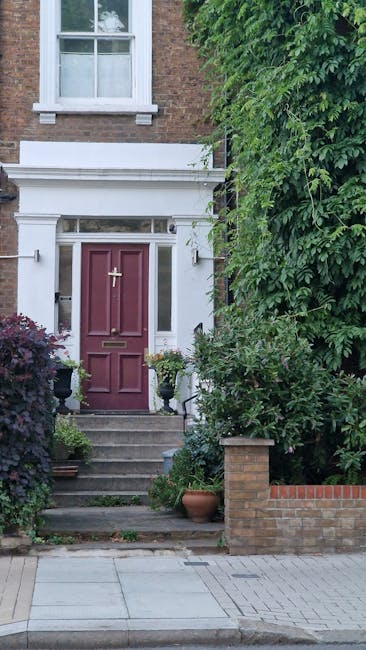
Anerley Road front garden makeover by gardeners: a practical guide to getting the front of your home right
If your front garden on Anerley Road feels tired, cluttered, or just a bit unfinished, you are not alone. A front garden makeover by gardeners can completely change the way a house looks and feels before anyone even steps inside. It is often the difference between a frontage that blends into the street and one that feels cared for, balanced, and quietly welcoming.
That said, a good makeover is not just about "making it pretty". It is about layout, drainage, access, planting that actually suits the space, and a finish that stays tidy without becoming a second full-time job. In other words, it should look good on day one and still look good months later. This guide walks through how an Anerley Road front garden makeover by gardeners works, what to expect, common mistakes, and how to get a result that suits your home rather than fighting it.
For readers comparing wider options, it can help to look at the broader range of garden and landscaping services available before narrowing down the front-garden work itself.
Why Anerley Road front garden makeover by gardeners Matters
A front garden does a lot of quiet work. It frames the house, shapes first impressions, softens brick and paving, and can even make a narrow frontage feel less cramped. On a road like Anerley Road, where homes often sit close to the pavement, the front garden is more visible than people realise. That visibility matters.
A neat, well-planned frontage can make daily life easier too. You notice it when the bins have a proper place. You notice it when the path is clear in wet weather. You notice it when pruning and mowing no longer feel like a battle every weekend. To be fair, front gardens are often neglected because they are "small jobs" that never quite get done. Then the whole area starts to look busier than it actually is.
Gardeners bring structure to that kind of problem. They see the space as a system: access, planting, maintenance, drainage, and appearance all working together. The result should not feel overdesigned. It should feel sensible. That is usually what people want, even if they start by asking for something more dramatic.
There is also the local character factor. Anerley and the surrounding South London streets have a mix of traditional and more modern frontage styles, so a front garden makeover has to suit the property rather than copy a generic trend. A good gardener knows when to keep things crisp and understated, and when to add a bit more texture or colour.
How Anerley Road front garden makeover by gardeners Works
Most front garden makeovers follow a straightforward but thoughtful process. The exact order varies, but the logic is usually the same: clear the space, assess what works, design the new layout, then build and plant it so it holds together over time.
First comes the site visit or discussion. A gardener will usually look at the current condition of the front garden, how people move through it, what light it gets, and whether there are practical issues such as uneven ground, poor soil, drainage problems, or overgrown shrubs. This early stage matters more than people think. A rushed plan often leads to a pretty garden that becomes awkward very quickly.
Next is the clear-out. Sometimes this is a light tidy, but sometimes it is closer to a full reset. Old pots, dead planting, tangled roots, cracked edging, builders' rubble, and years of leaf build-up all get in the way. If the space needs a more thorough tidy before anything new goes in, a proper garden clearance service can make the redesign much easier.
After that, the new structure is built. This may involve fresh borders, edging, new turf or seed, gravel, paving, steps, low walls, fencing details, or even small decorative features. If your front garden needs a stronger framework rather than just planting, professional landscaping is often the backbone of the job.
Then comes planting and finishing. Good front gardens are usually designed for low to moderate maintenance. That might mean evergreen structure, compact shrubs, seasonal colour, or a simple lawn bordered by tidy beds. Ongoing upkeep is important here, which is why many homeowners later choose regular garden maintenance to keep the look sharp without starting from scratch every few months.
Key Benefits and Practical Advantages
There is a reason front garden makeovers are so popular. The benefits are obvious once the work is done, but they are also practical in ways that are easy to miss at first.
- Better kerb appeal: The house simply looks more cared for.
- Clearer access: Paths, gates, and entry points become easier to use.
- Less maintenance stress: Smart planting and layout reduce the weekly slog.
- Improved proportion: The front of the property feels more balanced.
- Safer movement: Fewer trip hazards, less clutter, and better visibility.
- More usable space: Even a compact frontage can do more than one job.
One of the biggest advantages is that front gardens can often be transformed without needing a huge footprint. A few well-chosen materials and the right planting structure can make a small space look larger. It sounds like a cliche, but honestly, it happens all the time.
Another benefit is seasonal consistency. In the front garden, you usually want things to look decent all year, not just in a burst of summer colour. That is why many gardeners lean on structural planting, evergreen shapes, and finishes that still look clean in January rain and early-morning grey. Very British, but there we are.
If you want your entrance to feel more polished and easier to live with, front-garden work can also link naturally with practical services such as lawn mowing, hedge trimming, or even a small section of decking services where the layout calls for a cleaner transition between house and garden.
Who This Is For and When It Makes Sense
This kind of makeover makes sense for a lot of homeowners, not just people with very neglected gardens. In fact, some of the best results come from front gardens that are "fine" but not quite right. You know the type: a bit uneven, a bit overplanted, or just lacking a proper finish.
It is especially useful if:
- you are preparing a home for sale or letting
- the front garden has become overgrown or patchy
- you want a lower-maintenance layout
- the path or entrance feels cramped or awkward
- you want to update an older frontage without losing its character
- you have drainage, soil, or shading issues that keep causing trouble
It also makes sense if your current front garden is full of half-solutions. One old shrub here, a cracked border there, some gravel that migrated halfway across the path, and a bit of everything else. Let's face it, that sort of garden can be more tiring to look at than a blank slate.
If you are not sure whether you need a tidy-up, a redesign, or a full rebuild, a useful starting point is the company's background and approach to garden work. That kind of context helps you judge whether the team is a good fit for your property and expectations.
Step-by-Step Guidance
Here is the practical way a front garden makeover usually unfolds. This is the bit most people want explained clearly, and fair enough too.
- Assess the space properly. Measure the front garden, note the slope, drainage, light levels, and existing features. A garden that faces north and one that bakes in afternoon sun need different planting choices.
- Set the purpose. Decide what matters most: easy upkeep, better looks, more planting, parking clarity, improved access, or a bit of all of these.
- Clear out the clutter. Remove dead material, bulky roots, broken edging, weeds, and anything that blocks the new layout.
- Choose the layout. This is where the space starts to make sense. A straight path, defined borders, and one clear focal point often work better than lots of small ideas.
- Prepare the ground. Soil may need loosening, adding, levelling, or improving. If water tends to sit after rain, drainage decisions become important.
- Install the hard elements. Edging, paving, gravel, or small structural features should go in before planting.
- Plant with restraint. The best front gardens are often less crowded than people first expect. Space matters. Air matters.
- Finish and test the flow. Walk the route from gate to door. Check if bins can move easily, if the path feels clear, and if the look still works from the street.
A small practical note: what looks good in a sketch can feel completely different once you are standing in the garden with a wheelbarrow, a wet path, and a narrow gate. That is why good gardeners build with everyday use in mind, not just appearance.
For more complex sites, the work may overlap with landscape gardening, especially where levels, materials, and planting all need to be aligned in one plan.
Expert Tips for Better Results
A front garden makeover is one of those jobs where the details carry most of the value. A few careful choices can make the difference between "newly done" and genuinely well thought through.
- Keep the planting structure simple. Two or three strong planting themes usually look better than a dozen competing ones.
- Use repetition. Repeating shapes or materials creates calm, especially on a busy street frontage.
- Leave room to move. A front garden should never feel like you are squeezing through it sideways.
- Choose finishes that age well. Some materials look lovely for a month and then start to show every bit of weather. You want something more forgiving.
- Think about winter first. If it looks decent in February, it will probably look good most of the year.
- Match the garden to your habits. If you do not want constant pruning, say so early. A tidy low-maintenance layout is not the same as a highly detailed ornamental one.
In our experience, people often overestimate how much planting they want and underestimate how much maintenance they are willing to do. That is normal. The trick is to design for the life you actually live, not the one you imagine on a sunny Saturday in June.
If trees are dominating the frontage or blocking light, that also needs proper thought. In some cases, a careful assessment of tree lopping and removal is part of making the front garden usable again, though any work should always be approached cautiously and appropriately.
Common Mistakes to Avoid
A lot of front garden problems start with good intentions and a poor sequence. Here are the most common issues that trip people up.
- Overcrowding the space: Too many plants make a small frontage feel messy fast.
- Ignoring drainage: Pretty surfaces are no use if puddles form every time it rains.
- Picking high-maintenance planting by mistake: A garden that needs constant trimming will stop looking good quickly.
- Forgetting the path and entrance: The route to the door should be part of the design, not an afterthought.
- Using materials that clash: A mix of styles can work, but random combinations usually look accidental.
- Skipping aftercare: Even the best makeover needs a settling-in period.
Another mistake is treating the front garden like a back garden. They are not the same job. A front garden has to look composed from the street, cope with more visual scrutiny, and often work around access, bins, and vehicles. That changes the design brief quite a bit.
People also sometimes forget scale. Small plants in a large frontage can vanish; oversized shrubs in a tight space can swallow the house. There is no perfect formula, but there is definitely a right proportion, and gardeners spend a lot of time finding it.
Tools, Resources and Recommendations
You do not need to know every specialist tool to understand a front garden makeover, but it helps to know what usually gets used and why. It makes the process feel less mysterious, which is often half the battle.
| Item or method | Best for | Why it matters |
|---|---|---|
| Spade, fork, and rake | Soil prep and levelling | Useful for reshaping ground before planting or edging |
| Edging materials | Defining borders and paths | Stops planting and gravel from drifting into the wrong place |
| Mulch | Reducing weeds and moisture loss | Helps beds look finished while supporting plant health |
| Gravel or paving | Clean access and low-maintenance areas | Creates durable, practical surfaces for front gardens |
| Evergreen shrubs | Year-round structure | Keep the garden looking settled in all seasons |
| Regular cutting tools | Maintenance after the makeover | Keep hedges, lawns, and borders under control |
For many homeowners, the most helpful resource is not a tool at all but a dependable maintenance plan. Once the makeover is complete, a light routine of weeding, trimming, sweeping, and seasonal checking keeps it from sliding backwards. That is where lawn care and hedge trimming become part of the bigger picture rather than separate chores.
If you are trying to decide what level of work suits your budget, the pricing and quotes information can help you understand how the project might be framed before any formal discussion. No guesswork, no mystery, which is refreshing.
Law, Compliance, Standards, or Best Practice
For front garden work in the UK, the main thing is to approach the job safely and sensibly. That includes protecting access, being careful with sharp tools and heavy materials, and making sure any work near walls, trees, fences, or shared boundaries is handled responsibly.
There is no single rulebook that applies to every front garden makeover, because the details vary by property. Still, good practice usually includes checking whether any trees need special caution, avoiding damage to shared structures, and making sure new surfaces or edges do not create trip hazards. If a property has access constraints or awkward slopes, these should be considered early, not after the work has started. That saves headaches. Usually.
It is also sensible to ask how the work is carried out from a safety point of view. A trustworthy gardener should be able to speak plainly about insurance, safe working methods, waste handling, and how they protect the property while the job is underway. You can review the company's insurance and safety approach and its health and safety policy for extra reassurance.
For sustainability-minded homeowners, good practice also includes reducing waste where possible, reusing healthy materials, and disposing of green waste responsibly. If that matters to you, the recycling and sustainability approach is worth a look. Small choices add up, and front gardens can be surprisingly resource-aware if they are planned properly.
Options, Methods, or Comparison Table
Different front gardens need different approaches. A quick comparison helps make the choices feel less vague.
| Approach | Best for | Pros | Trade-offs |
|---|---|---|---|
| Simple tidy-and-refresh | Front gardens that are mostly fine | Lower cost, quicker turnaround, less disruption | Won't solve deeper layout issues |
| Low-maintenance redesign | Busy homeowners | Easier upkeep, cleaner look, good year-round structure | Less seasonal variety if overdone |
| Full makeover with landscaping | Spaces with layout, drainage, or access problems | Best long-term transformation, more flexibility | Usually takes more planning and investment |
| Feature-led frontage | Homes needing a stronger visual identity | Can create a real focal point and character | Needs careful balance so it does not feel too busy |
If you are unsure which route to choose, a practical benchmark is this: if the bones of the garden are good, tidy-and-refresh may be enough. If the garden feels awkward every time you use it, you are probably looking at a redesign. Simple enough, really.
Some front gardens also work better when the gardening is supported by harder structural work. In that case, a look at landscaping and, where appropriate, decking services can help shape the right result.
Case Study or Real-World Example
Imagine a typical Anerley Road frontage: a narrow path, tired border edges, one overgrown shrub, patchy grass, and a couple of uneven bits where rainwater tends to gather. Nothing dramatic. Just a space that has slowly lost its shape.
A sensible makeover might start with clearing the old growth and removing anything that is blocking access. The path would be checked for safety and cleaned up. The borders could then be redefined with simple edging, the planting reduced to a few robust shrubs and ground-level seasonal colour, and the lawn either improved or replaced depending on condition. If the soil is poor, it gets improved before anything is planted. If the space is too cramped for reliable lawn, the design may shift to a gravel-and-planting mix instead.
The point is not to make the garden fancy. It is to make it work. Once the structure is right, the frontage usually feels calmer straight away. You open the gate and think, yes, that feels better. The sort of reaction you get when a space finally stops arguing with you.
And if the clearance phase is the biggest hurdle, that often means starting with garden clearance support before moving into planting and finishing. No shame in that. In fact, it is usually the smart route.
Practical Checklist
Use this as a simple pre-makeover checklist before you commit to the work.
- Decide whether the goal is tidiness, low maintenance, a visual refresh, or a full redesign.
- Measure the front garden and note any tight access points.
- Check for drainage problems, shade, or particularly dry spots.
- List anything that must stay, such as a healthy tree, a bin store, or a boundary feature.
- Think about how the space is used every day, not just how it looks from the street.
- Choose planting that suits your upkeep habits.
- Allow for edging, paths, and maintenance space.
- Plan for aftercare in the first few months.
- Review safety, insurance, and working practices before booking the job.
- Ask for a clear quote so you understand what is included.
A small note here: if you are not sure about the best order of work, ask for the plan in plain English. A decent gardener should be able to explain it without hiding behind jargon. If the explanation sounds like fog, that is a warning sign.
Conclusion
An Anerley Road front garden makeover by gardeners is really about making the front of your home feel intentional. Not overworked. Not overcomplicated. Just cleaner, more welcoming, and easier to live with. The best results come from proper planning, practical planting, and a design that respects how the space is actually used day to day.
Whether your frontage needs a light refresh or a more substantial change, the right approach will balance appearance, upkeep, and function. That balance is where the value sits. And once it clicks, you notice it every time you come home.
If you are ready to take the next step, a clear conversation about scope, materials, safety, and ongoing care is the best place to start.
Get a free quote today and see how much you can save.
Sometimes the smallest front garden changes make the biggest difference to how a house feels. Truth be told, that is the lovely part.
Frequently Asked Questions
What does a front garden makeover by gardeners usually include?
It usually includes clearing, tidying, redesigning the layout, improving soil or surfaces, planting, edging, and finishing details. Some jobs are light refreshes; others involve more structural landscaping.
How long does an Anerley Road front garden makeover take?
It depends on the size, condition, and scope of work. A simple tidy and refresh can be quick, while a full redesign with landscaping, drainage changes, or new materials will take longer.
Can a small front garden still make a big difference?
Yes, absolutely. Small front gardens often benefit the most from careful planning because even modest changes in layout, planting, and edging can make them look much more polished.
Is a low-maintenance front garden a good idea?
For many homeowners, yes. A low-maintenance front garden is usually the most practical choice if you want good looks without spending every weekend pruning, weeding, or mowing.
What should I do with an overgrown front garden first?
Start with clearing the clutter and deciding what should stay. If the garden is heavily overgrown, a proper garden clearance step makes it much easier to see the real structure of the space.
Do I need landscaping, or is simple garden maintenance enough?
If the garden already has a sensible layout, maintenance may be enough. If the space feels awkward, uneven, or poorly organised, landscaping is usually the better option.
How do gardeners make a front garden look tidy all year?
They usually rely on structure, repetition, evergreen planting, defined edges, and materials that age well. The goal is a garden that still looks composed in colder or wetter months.
What are the most common mistakes in a front garden redesign?
Overcrowding, poor drainage, awkward access, and choosing high-maintenance plants are common mistakes. Another one is forgetting that front gardens need to work from the street as well as up close.
Can a front garden makeover improve kerb appeal?
Yes. A well-designed frontage can make the whole property feel more welcoming and cared for, which is one of the main reasons people invest in a makeover.
How do I choose between gravel, planting, lawn, or paving?
Think about upkeep, appearance, and how the space is used. Gravel and paving are usually lower maintenance; planting adds softness and character; lawn can work well but needs more care.
Are safety and insurance important for front garden work?
They are very important. Front garden work often involves tools, heavy materials, access points, and nearby structures, so safe working methods and suitable insurance matter.
What is the best next step if I want a front garden makeover?
The best next step is to define what you want the space to do, then ask for a clear plan and quote. That makes it much easier to compare options and avoid paying for things you do not need.
If you would like to learn more about the people behind the work, you can also read the about us page and, when you are ready, make direct contact through the website's contact route.